Non-stick coating Forma Collection
No, your GreenPan cookware does not contain any intentionally added PFAS. The non-stick coating of your GreenPan frypan, skillet, or wok consists of a ceramic non-stick coating. The basic raw material is a derivative of sand which is transformed into a sprayable solution by a Sol-Gel process. No harmful chemical PFAS substances are used in this process. This solution is then sprayed - without the use of adhesives or additives - onto the pan. The pan then goes into the oven to harden.
In order to make optimal use of your non-stick coating and prevent it from being damaged, we would like to point out the following care & use instructions:
1. Do not rush the preheating process by using excessive heat.
For optimal frying results, start by heating the pan for a few seconds at a low to medium heat before adding oil or butter. Do not heat your pan by using the maximum temperature of your hob.
2. Never overheat the fats you use in the pan
Fats start to carbonize when they are overheated, this damages the coating of your pan. How fast fat carbonizes depends on the type of oil or butter you use and their smoking point. Use only fats with a high smoking point such as sunflower oil, canola oil,.... Do not use extra vierge olive oil and refrain from using spray oils.
3. Wear and tear of your cookware and its non-stick coating is normal. Over time there is a natural reduction of your pan’s non-stick properties. This process is accelerated by prolonged exposure of the non-stick surface to high heat, which causes carbonisation of food and oil.
4. Never use metal utensils on a non-stick surface. Do not cut foods while they are in the cookware or use sharpe-edged items as it may scratch or cut the non-stick surface. Plastic, rubber or wooden utensils are recommended to protect your cookware’s non-stick finish.
5. Allow cookware to air cool before cleaning thoroughly after every use.
6. If carbonisation of food and oil on your non-stick coating occurs, or there are difficult to clean food deposits, after cleaning, partially fill the cookware with hot water and a little detergent. Quickly bring the water to the boil. This helps to loosen the food deposits from the coating. After draining the pan, scrub the pan with a soft sponge using hot soapy water.
7. Storing cookware along with other metal implements can cause scratches or chipping on the surface of the non-stick coating. Usage of pan protectors in between two pans is adviced for ultimate protection of the non-stick coating.
Cookware Forma Collection
Yes, pans of this quality can be used on one heat source and then another without any problems. Before using on a ceramic glass hob, ensure that the pan's base is not damaged to prevent potential damage to the hob.
The pan is intended for the preparation of food, not for storage.
Yes, this is normal. While the stainless steel handles in this range are designed to stay cool, they may become slightly warm if the pan is used for an extended period. This happens because the pan’s highly conductive material can transfer some heat to the handle. For safety, always use oven gloves when handling hot cookware.
No, this can cause irreversible damage to the pan and the hob.
No, the pans must not be used in the microwave.
All cookware items are dishwasher safe. However, we recommend washing them by hand with a soft sponge to maximize the life of the non-stick coating.
The diameter of the pan’s base should be equal to the size of the cooking zone. If the pan is too small, the Forma may not sense the pan and will not activate. Here´s an illustration of how to place the pan on the correct cooking zone. If your induction hob has flex zones, try adjusting the pan's position slightly and consult the hob’s instructions as well.

If residual white spots, stains, or blurs are visible on your (induction)cooking plate, remove them immediately. Do not continue cooking without first cleaning off the residue, as this can damage your (induction) hob. Preferably use a specialized cleaning product—refer always to the manufacturer's manual for recommended options.
Yes, it is possible.
Rapid heating can cause substances to be released. That’s why it’s important to thoroughly clean the outside of your cookware before first use and after each use, and to dry it properly.
If you notice any residue or contamination, stop using the hob immediately. First clean it using a cleaning product or an alcohol-based cleaner available from the supermarket. Always refer to the manufacturer’s manual for recommended options.
Yes, the glass lid is oven safe up to 200°C.
Never immerse a hot lid in cold water as the lid may crack due to thermal shock. Always handle with care when placing a hot lid upside down on the kitchen counter.
Lightweight casserole
Yes, the (cast) aluminium lid is oven safe up to 200°C.
Never immerse a hot lid in cold water as the lid may deform due to thermal shock. Always handle with care when placing a hot lid upside down on the kitchen counter.
When a hot pot or pan cools down, the air inside shrinks and creates a vacuum seal that holds the lid tight.
Reheat the pan: Put the pan back on the burner over low to medium heat for a short time. The warm air inside will expand, and the lid will pop right off.
Use warm water: Run hot water over the lid or submerge the edge in a bowl of hot water to warm the air inside.
Gently tap the edge: Tap the rim or handle carefully with a wooden spoon to vibrate the seal and let air slip inside.
Yes this is normal. The cast aluminium handles are made of the same highly conductive material as the body, making heat transfer to the handles unavoidable. As a result, the handles become extremely hot. Always use the included removable silicone potholders in combination with oven gloves. Keep the flame centered under the casserole when using a gas hob. This helps save energy and prevents the side handles from being heated directly by the flame.
Please check the following instructions:
When cooking on a gas hob, we recommend using a flame circle that is the same size as the bottom of the casserole.
Always use oven gloves and the removable silicone potholders.
Be extra careful when removing the casserole from a hot oven or using it on a gas hob.
The pan holders fit perfectly around the handles of the lighweight casserole and are designed to reduce the perceived temperature of the grip when lifting your casserole. Please note that the pan holders are not intended to remain on the casserole during cooking. Always exercise caution.
The pan holders are made of silicone.
For the best results, clean the pan holders with warm water and a soft washing brush and dry with a kitchen towel. The pan holders can also be cleaned in the dishwasher.
No, the pan holders are not meant to use in the oven. They can stand maximum 200°C.
No, the pan holders are not dishwasher safe.
No, you can not leave the pan holders to dry on the heater.
Accessories Forma Collection
The utensils are made of silicone overmoulded stainless steel.
Yes, all utensils are dishwasher safe. However, for a maximum lifespan, we recommend washing in warm water with a soft washing-up brush or nylon cloth.
No, utensils must not be placed in the microwave or oven.
Warranty
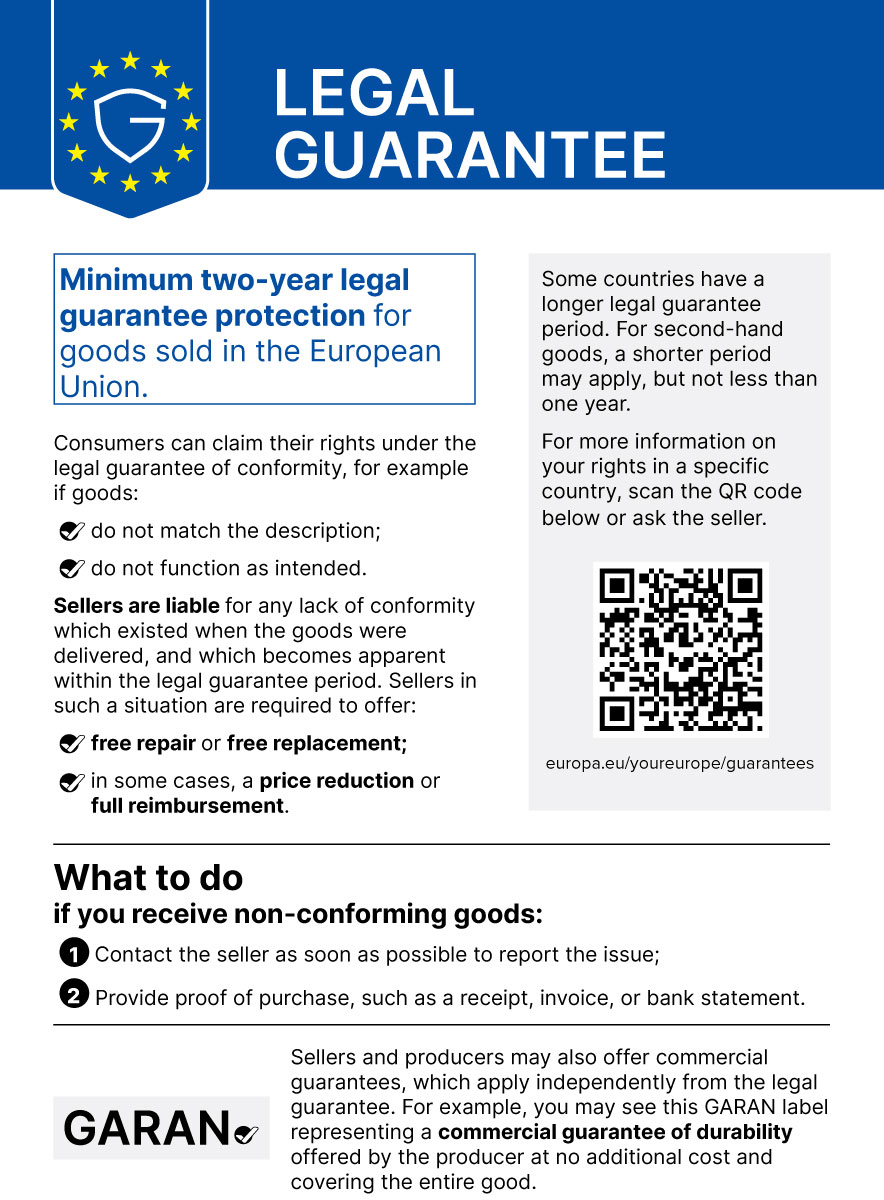
We offer a 2-year warranty.
Please not the following:
Warranty is provided only when the product has been used in accordance with the instructions for use.
Always retain the till receipt, which will clearly state the purchase date and the product that you purchased.
Purchase
No, unfortunately, the Forma collection is not available online. You can find our full product line (and webshop at greenpan.nl and greenpan.be.